Mist: Offline Zombie Survival
- 4.4
- Rating
- 1.00M
- Installs
- Free
- Price

 Analysis by App-foxy
I went into Mist: Offline Zombie Survival expecting a straightforward mobile apocalypse game, but its strongest quality is more specific: it creates a quiet, isolated survival mood without requiring an internet connection. It is a free role-playing game from Euphoria Horror Games, built around surviving in a dead world alone. That combination makes it easy to pick up when I have no connection, yet the mature horror setting means it is not something I would recommend to every player.
The game has already found a sizeable audience, with an average rating of 4.4 from around 53 thousand ratings and more than a million installs. Those figures suggest that the basic idea works for many players, but they do not remove the need to understand what kind of experience this is. This is not a cheerful collection game or a relaxed idle RPG. It asks me to pay attention, accept uncertainty, and deal with the pressure of moving through a hostile world without the usual online support.
Getting past the first points of friction
The first place I would expect a new player to get stuck is not necessarily a difficult fight. It is the adjustment to the game’s pace. The title presents itself as an action RPG, but the survival framing changes how I approach every encounter. I cannot treat the environment like a simple corridor between rewards. I have to think about whether moving forward is worth the risk, whether I am prepared for the next threat, and whether I am playing carefully enough to avoid wasting progress.
You May Also Like

 Blood Strike: 2.5 Anniversary
Blood Strike’s Loadouts Turn Every Drop Into a Tactical Gamble
A close look at Blood Strike’s custom loadouts: how fast access to signature weapons reshapes its battle royale rhythm, rewards preparation, and narrows the gap between fights.

 Pandora - Music & Podcasts
Pandora’s Music Is Easy to Start, but Harder to Recover
Pandora’s strength is its low-effort path from a seed to a station. Its weak spot is how much confidence it asks you to place in connection, setup, and quiet recovery.

 8 Ball Pool
 Is Built on Rivalries, Rematches, and Routine
A close look at the rivalries, rematches, shared routines, and unanswered safety questions that turn a quick pool match into a persistent mobile community.

 Samsung Music
’s Quiet Strength Is Playing What You Already Own
Its reach comes less from spectacle than from dependable access to a personal library. That simplicity is both the app’s strongest retention engine and its ceiling.

 AccuWeather: Weather Radar
AccuWeather Review: A Quick, Clear Forecast for Everyday Decisions
For everyday plans, the best forecast is the one you can understand quickly. AccuWeather makes rain timing, radar, and local conditions easy to act on, with a few trade-offs.

 Hill Climb Racing
Why Hill Climb Racing Still Turns Crashes Into One More Run
A tiny car, a bumpy hill and one more upgrade: Hill Climb Racing keeps resurfacing because its simple chaos makes every near-miss feel personal.
More From Our News Desk



That slower decision-making is important because players coming from faster zombie games may initially push too hard. In many familiar mobile action games, the safest habit is to keep attacking and follow the obvious objective. Here, I found that a more cautious rhythm suits the setting better. I look at the situation before committing, keep room to react, and avoid turning every encounter into a frantic exchange. The best early improvement is learning when not to fight immediately.
The offline design also changes expectations. I do not need to wait for a connection before playing, and that makes it useful during travel, in areas with unreliable service, or when I simply want a self-contained game. At the same time, offline play means I should not expect the social activity, live interaction, or connected convenience that often surrounds online role-playing games. The experience is deliberately solitary, which is both its identity and one of its clearest limitations.
Another possible sticking point is the mature tone. The game is rated Mature 17+, and that is more relevant than a small label on a download page. The atmosphere is built for players who are comfortable with horror and an apocalyptic setting. I would not install it on a younger player’s device just because it is free, and I would skip it entirely if zombie horror makes me uncomfortable. The lack of an internet requirement does not make the content lighter.
What to check before settling into a session
Before I begin, I make sure the device is running at least Android 7.0. That is a simple check, but it avoids a common mistake: assuming that a game will install or behave properly on any phone because it is a mobile title. I also leave enough free space for the installation and updates, close demanding apps if the phone is older, and start the first session somewhere I can give the game my full attention.
The current version is 1.8.13, so I would use the official app distribution channel and keep the installation current. That is especially sensible for a game that is expected to run without an internet connection after installation. Updating when a stable connection is available is less frustrating than discovering a problem while travelling and trying to diagnose it with limited access.
I also check the purchase settings before handing the device to someone else. The game is free to download, but its optional purchases range from $0.99 to $134.99 per item. I do not need to spend money to understand the basic experience, yet the wide purchase range makes device-level controls worthwhile for families. This is not a complaint about the existence of purchases; it is a practical reminder that “free” and “no possible spending” are not the same thing.
My preferred setup is simple: install while connected, open the game once before leaving home, and confirm that it launches normally. I then close it and reopen it in the situation where I expect to use it offline. That small test answers a more useful question than merely checking whether the download completed. It tells me whether the particular phone and installation are ready for the way I intend to play.
How I recover when a session goes wrong
When a mobile game behaves badly, I try to separate a game problem from a device problem before changing anything drastic. I first close the app completely and reopen it. If the phone is under heavy load, I close other demanding apps and check whether the device is running unusually hot. A short restart of the phone can also clear temporary issues without risking saved progress.
If Mist fails to start after an update, I check the operating system requirement, available storage, and whether the installation came from a trusted official source. I avoid repeatedly deleting and reinstalling the game as a first response. Reinstallation can be disruptive, and it is a poor recovery method when I have not yet worked out whether the issue is storage, system compatibility, or a temporary device fault.
Offline play deserves a separate troubleshooting approach. If the game is designed to work without a connection, I do not assume that turning airplane mode on and off will fix every problem. I test the title normally first, then test it offline after it has launched successfully. If a feature seems unavailable without a connection, I treat that as a boundary of the particular function rather than evidence that the whole game is broken.
I also pay attention to the difference between a crash and a gameplay misunderstanding. If I lose a fight, cannot find a route, or feel that progress has stalled, reinstalling will not help. I return to the last reliable objective, slow down, and examine what I am doing differently from the previous attempt. That approach is particularly useful in a survival game, where a poor decision can feel like a technical failure simply because the consequences are less forgiving.
One practical habit has helped me: I avoid opening the game immediately after switching between many memory-heavy apps. I give the phone a moment, launch the title cleanly, and keep the screen free from unnecessary overlays. This is not a special trick built into the game; it is ordinary mobile housekeeping, but it reduces the number of false alarms I attribute to the app.
When the phone or connection is the real problem
A game can be blamed for issues caused by the device. Older hardware may struggle with demanding scenes, background processes may interrupt a session, and low storage can create failures that look like an installation defect. If the entire phone is slow, other apps close unexpectedly, or the battery is draining unusually fast across different games, I would investigate the device before judging this one.
The same applies to controls. If input feels delayed, I check whether the phone is responding slowly everywhere or whether the problem appears only inside the game. Removing an overly thick screen protector, cleaning the display, and testing without a Bluetooth accessory can reveal a hardware or accessory issue. These checks are more useful than changing random settings inside the game.
Because the game’s appeal includes playing without internet, I would not treat a missing connection as an automatic fault. A weak signal can still affect downloading, updating, account-related store actions, or other parts of the phone, even when the core play session does not need a network. I prepare the game while connected, then judge the offline experience on its own terms.
Notifications and battery-saving modes can also interfere with a focused session. Aggressive background restrictions may pause apps or make them reload when I return. If progress seems to reset to an earlier point, I first consider whether the phone closed the app rather than assuming the game erased anything. I make sure the system is not constantly clearing the title from memory, especially on devices with limited resources.
There is another important distinction: frustration with survival design is not the same as malfunction. A hostile world, limited room for mistakes, and solitary exploration can feel punishing. That may be exactly what a horror RPG player wants, but it can be tiring for someone looking for a quick power fantasy. Before deciding that the game is unfair, I ask whether the problem is a broken system or simply a style of play that does not suit me.
Who will enjoy the offline survival format?
I think Mist is at its best for players who want a self-contained horror RPG they can return to without depending on a live player base. The offline approach gives it a different mood from connected zombie games. I am not checking a leaderboard, waiting for another player, or worrying about a constantly changing online world. The focus stays on the immediate tension of surviving alone.
A realistic use case is a long train journey with unreliable service. I can prepare the installation at home, start a session before leaving, and continue playing when the signal disappears. The game also fits short evening sessions when I want something more involved than a puzzle but do not want to join a multiplayer match. Its solitary structure makes it easier to stop when I need to, because I am not leaving teammates waiting.
It is also a reasonable choice for someone who prefers atmosphere over social features. The dead-world premise gives the game a clear identity, while the role-playing format provides more purpose than simply running from one zombie encounter to another. I enjoy games that make the environment feel like a problem to solve, and this is where the survival angle adds value.
However, I would choose a different game for a player who wants constant online events, cooperative missions, competitive rankings, or a bright progression loop. I would also avoid recommending it to someone who wants a gentle, low-pressure mobile RPG. The Mature 17+ rating and horror setting are not minor details, and the solitary format can feel empty if the main reason you play zombie games is to share the action with friends.
Compared with the usual online alternatives in the category, the major trade-off is clear. Mist gives up connected features in exchange for dependable independence. Online games may offer broader social systems and more frequent shared activity, but they also depend more heavily on service availability and can bring more distractions around the central gameplay. I prefer this game when I want control over my session; I prefer online alternatives when I want community and variety created by other players.
Three habits that make the experience smoother
First, I treat preparation as part of survival rather than as busywork. Before entering a longer session, I check the phone’s charge, close unnecessary apps, and make sure the game has been opened successfully while connected. This matters because offline convenience is most valuable when I have already removed avoidable setup problems.
Second, I use failed attempts as information. Instead of rushing back into the same situation, I identify the decision that caused the trouble: entering too quickly, ignoring the surroundings, or spending resources without a clear reason. That turns the game’s pressure into a learning loop. It is a more productive approach than expecting repeated attacks to produce a different result.
Third, I separate spending from progress decisions. Since the game is free and includes optional purchases, I play long enough to understand whether the core survival loop suits me before considering an in-app purchase. I never buy simply because a difficult moment makes me impatient. If the tension is enjoyable, a purchase is not necessary to prove that; if the tension is irritating, spending more will not fix the mismatch.
My final impression is positive but specific. I like Mist because it understands the appeal of being alone in a damaged world, and the offline format gives that idea practical value beyond the setting. The game is not the right answer for every RPG player, especially those who need multiplayer interaction or dislike mature horror. It can also demand patience from anyone accustomed to fast, forgiving mobile action.
Still, if you want a free, offline-capable zombie role-playing game for Android, have a compatible device, and enjoy making careful decisions under pressure, I think it is worth trying. I would install it before a trip, test it once while connected, set sensible purchase controls, and judge it after learning its rhythm rather than after one rushed encounter. My recommendation is for patient horror fans who value independence more than online spectacle.
FAQs for Mist: Offline Zombie Survival
01What is Mist: Offline Zombie Survival about?
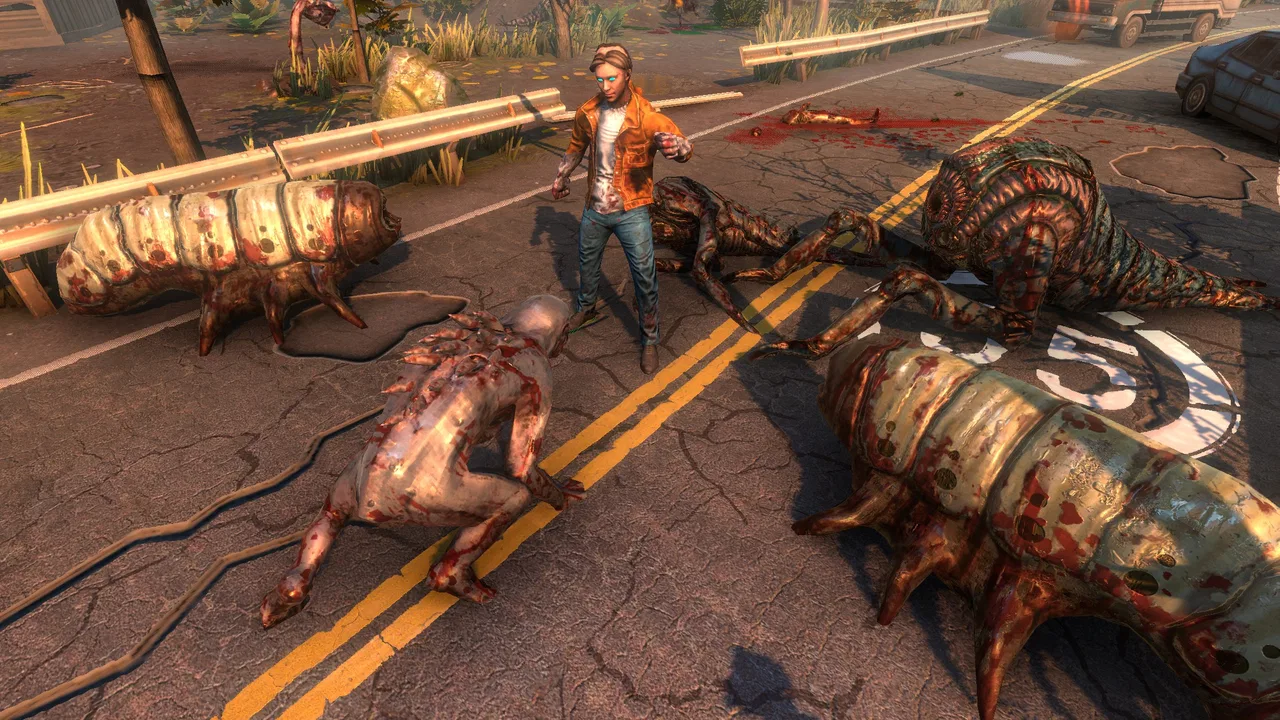
Mist: Offline Zombie Survival is a post-apocalyptic survival game focused on exploring dangerous environments, collecting supplies, crafting useful equipment, and fighting or avoiding zombies. You must manage limited resources while searching for shelter and better gear. The game combines exploration, combat, survival mechanics, and atmospheric horror, making careful planning just as important as having powerful weapons.
02Can Mist: Offline Zombie Survival be played without an internet connection?
Yes, the main appeal of Mist: Offline Zombie Survival is that it is designed for offline play. After installing the game and completing any required initial setup, you can generally play without mobile data or Wi-Fi. This makes it suitable for travel or areas with poor connectivity. However, updates, advertisements, cloud features, or optional online services may still require an internet connection.
03Is Mist: Offline Zombie Survival suitable for beginners?
The game can be enjoyed by beginners, but it may feel challenging at first because supplies are limited and mistakes can be costly. New players should learn the controls, explore cautiously, and avoid wasting ammunition or healing items. Progress becomes easier once you understand crafting, enemy behavior, and inventory management. Players who prefer relaxed gameplay may need time to adapt to its survival-focused design.
04Does Mist: Offline Zombie Survival contain ads or in-app purchases?
The availability of advertisements and in-app purchases can depend on the version of the game, device, region, and developer updates. Some versions may show optional or occasional ads, while other features could involve purchases. Before downloading, it is worth checking the current store listing for pricing details, permissions, and payment information. Also review whether the game offers a way to remove advertisements.
05What devices are required to run Mist: Offline Zombie Survival smoothly?
Mist: Offline Zombie Survival should run best on a reasonably modern Android or iOS device with enough free storage and updated system software. Performance can vary depending on the phone or tablet, especially during combat or in areas with detailed graphics. If your device is older, you may experience slower loading, reduced visual quality, or occasional frame-rate drops, so checking the official compatibility requirements is recommended.
Pros
- Fully playable offline
- making it useful during travel or without reliable internet.
- Survival mechanics create meaningful choices around supplies
- shelter
- and exploration.
- Atmospheric fog and sound design build tension without relying only on jump scares.
- Scavenging rewards careful exploration and makes abandoned locations feel worthwhile.
- Progression encourages repeated runs and gradual improvement over time.
Cons
- Limited enemy variety can make encounters feel repetitive after extended play.
- Resource management may feel unforgiving for players who prefer a relaxed survival game.
- The fog can sometimes obscure important objects and make navigation frustrating.
- Some upgrades take considerable time to unlock without frequent play sessions.
- Performance and loading times may vary on older Android and iOS devices.

Mist: Offline Zombie Survival
Gallery